Twitter: Digital Mediated Public Space (Dorothy Kim)
![[Screenshot: #GWFerguson on tumblr, December 4, 2014]](http://gwdhi.org/wp-content/uploads/2014/12/screen-shot-2014-12-04-at-11-54-14-am.png)
![[Screenshot: Hybrid Pedgagogy, December 4, 2014]](http://gwdhi.org/wp-content/uploads/2014/12/screen-shot-2014-12-04-at-11-23-26-am.png)
Great news! GW Libraries has just received a grant from the National Historical Publications and Records Commission (NHPRC) to use a social feed manager to aggregate and analyze Twitter data. An application developed by Daniel Chudnov, Director of Scholarly Technology at Gelman Library, will aid GW librarians and researchers to collect and store millions of tweets per day. Read…
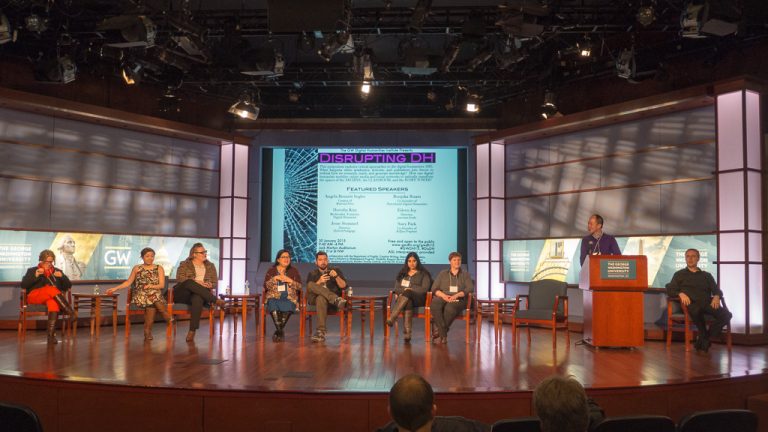
On Friday, January 30, the GW Digital Humanities Symposium 2015 (DISRUPTING DH) took place at Jack Morton Auditorium. About eighty people attended the event, which brought together academics, activists, publishers, librarians, archivists, students (graduates and undergraduates), GW alumni, and interested members of the public. As publicized on the event website, the aim of the day was to assemble different…
Check out this podcast on Shakespeare in American Sign Language. Intriguing relationship between medium and message here! h/t Jill Bradbury https://soundcloud.com/folgers…/shakespeare-in-sign-language
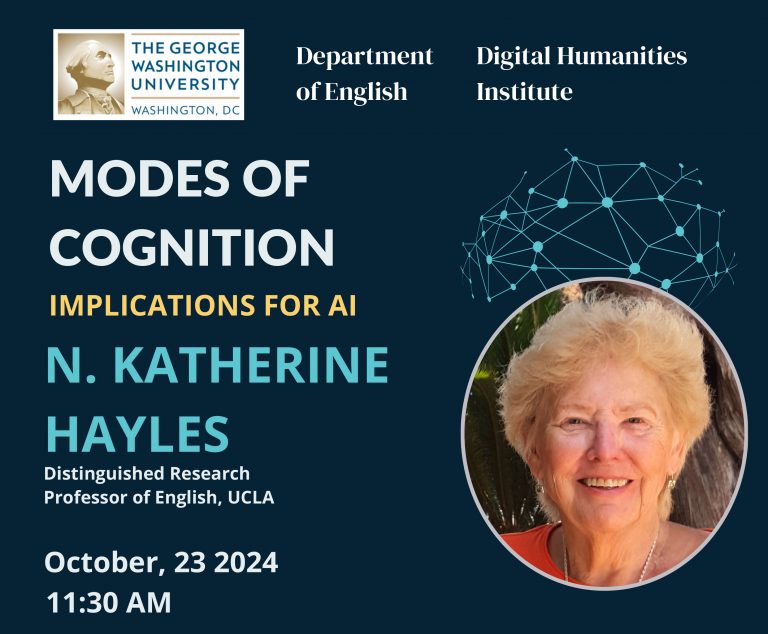
Modes of Cognition: Implications for AI Public lecture by Professor N. Katherine Hayles, 11:30 am, Wednesday October 23, 2024 In-person and Zoom hybrid event. Zoom link: https://mit.zoom.us/j/97309041943 Myers Room, George Washington University Museum and Textile Museum, 701 21st St NW, Washington, DC 20052 This event is hybrid: in person and on Zoom. Here is…
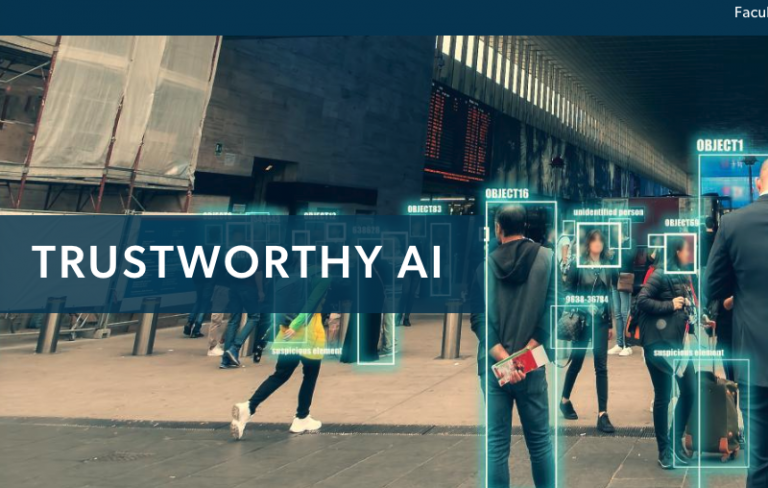
In April, 2024, George Washington University launched the Trustworthy Artificial Intelligence Initiative. Here is the news story. The Digital Humanities Institute is a partner program, and Profess Alexa Alice Joubin is a TAI faculty. As transformative AI becomes increasingly embedded in complex systems, policy makers and researchers must determine how to govern and evaluate this…
Open Access in the Disciplines: A Conversation October 6th, 12:00-1:30 pm (Gelman Library, Room 702): Learn how faculty from the sciences and humanities have opened their scholarship to the public, and the challenges and benefits they have encountered in the process. Panelists include Paul Brindley (microbiology), Lorena Barba (aerospace engineering), Ami Zota (occupational health), Alexa…